

Top Car Maintenance Tips You Should Know
Basic car maintenance is something that every car owner should know, regardless of the vehicle that they drive. It helps keep your car in working order and promotes road safety.
Many think that routine vehicle maintenance is complicated and often feel anxious at the very thought of it. However, it’s not that complicated and doesn’t require advanced knowledge of the ins and outs of combustion or electric engines.
Let’s put elementary vehicle care under the scope. By following these easy steps, you can keep your car going strong for longer.
Oil Changes
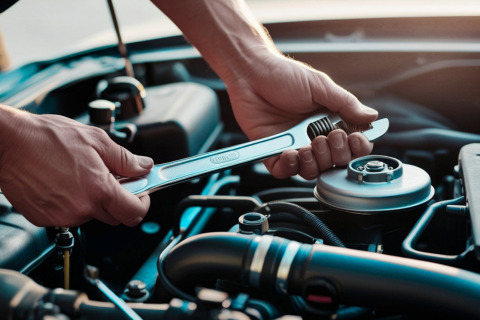
Oil is your engine’s ‘lifeblood’. It lubricates moving components to reduce friction and promote smooth functioning. Engine oil also helps cool your engine to prevent overheating, removes sludge and debris, guards against corrosion, boosts performance, and extends your car’s lifespan. Simply put, your vehicle cannot run without oil.
So, regular oil changes are crucial. Old or contaminated oil can harm your engine. Vehicle experts recommend a change every 3,000 to 5,000 miles. If you’re using synthetic oil, you may extend this stretch to between 7,500 and 10,000 miles.
You should also check your oil from time to time. If it looks dark or murky, it’s time for a change. Strange engine noises and the oil-change light on the dashboard are also warning signs.
Air Filters
Whereas oil is the ‘lifeblood’, air filters are your car’s ‘lungs’. They keep dirt and debris out of your engine to boost performance and fuel consumption.
You should replace your air filter every 12,000 to 15,000 miles to keep your engine shipshape. However, if you often drive on dirt roads or in dusty areas, you may need to change it more frequently.
Odd engine sounds or a drop in fuel efficiency may signal a blocked air filter.
Tires
Keep your wheels turning by ensuring that your tires are in good condition. There are a few things you can do to maintain your tires.
Check your tire pressure. Sometimes, the pressures for front and back tires are different, so it’s important to consult your car’s manual for the correct inflation parameters. Overinflated tires make for a bumpy ride and also run down quicker. Underinflated tires make handling more difficult and decrease fuel efficiency.
Tire rotation extends the lifespan of your tires. The experts recommend that you switch your tires around every 6,000 to 8,000 miles, or when you perform oil changes. Remember, it’s important to also balance and align your tires whenever you rotate them.
A tire tread ensures road grip. Regularly check your thread depth. Those in the know suggest tire replacements when the tread depth is down to 2/32 of an inch. Bald tires are a serious safety risk.
Brakes
Needless to say, functioning brakes are vital for your safety and that of other road users. Check your brake pads at least every 12,000 miles or when your car goes in for a service.
Red flags include a steel-on-steel grinding sound, vibrations when braking, or the need to step down harder on the brake pedal. When your brake pads are worn, it will also take you longer to come to a stop.
Batteries
Your car’s battery gives it the ‘spark’ needed to start the engine and run the electrical elements. You’re not going anywhere with a failing or dead battery.
To ensure that your car has the juice needed to work, regularly check and clean the battery terminals. Corrosion or dirt around the terminals can influence the battery’s working condition. Mix water and baking soda into a paste and scrub the terminals with an old toothbrush to remove the white-blueish build-up.
You should also monitor the charge from time to time to ensure that your battery has the oomph to do the job. Use a multimeter to do this.
Signs of a failing battery include difficulty starting your car, dim lights, or the battery warning lighting up on your dashboard.
Fluids
Besides oil and fuel, your car also needs other fluids to run properly. These help prevent overheating and performance issues, and include windshield wiper fluid, coolant, transmission fluid, brake fluid and power steering fluid.
Car gurus recommend that you check your car’s fluids once a month to ensure a smooth ride. Simply pop the hood and locate the different reservoirs for the different types of fluids. These usually have minimum or maximum level indicators.
Warning signs of low fluid levels can be overheating, trouble steering, a loss of power, issues braking, or lights flashing on your dashboard.
Timing Belts and Timing Chains
A timing belt or timing chain synchronizes the turning of the camshaft (opens and closes valves) and crankshaft (moves pistons up and down). When it breaks, the engine suffers serious and costly damage.
Although they do the same job, a timing belt is made of rubber and a timing chain of metal links. Check the housing to see which one you have. Plastic covers go with timing belts and metal covers with timing chains.
Consult your user manual and replace this vital component every 60,000 to 100,000 miles. Although timing chains have longer lifespans, you must also check them regularly.
Wiper Blades
Anyone who has ever driven in the rain with worn-out wiper blades will testify to what a harrowing experience it is! When these are hardened or torn, they cannot wipe properly, leaving you to navigate your way through smudges and streaks. It goes without saying that this is very dangerous.
Regularly inspect your wiper blades to ensure that they’re flexible and in good condition. Depending on your environment and weather conditions, you should replace them every six to 12 months.

Service Schedules
Many new car purchases include a maintenance plan, which details how often your vehicle needs a service. Keep to this schedule to ensure that your car stays in tiptop condition.
You may feel a little overwhelmed after reading this ‘to-do list’ and wonder how on earth you will manage it. Simple – take your car to the experts! Vehicle service centers and mechanics run through these checks quickly and efficiently. They also have the know-how to spot problems and fix them. Plus, when your car goes in for a service, they do check all these things.
That said, it’s important that you know how to do a few basics, such as topping up the windscreen fluid, reading tire pressure, and changing a tire. If you’re unsure, ask your mechanic or search for tutorials on the internet.
Few things are worse than a car breaking down, whether it’s in a densely packed city or in the middle of nowhere. These car-care tips help prevent these scenarios.
 By: @alex
(Alex Turner)
By: @alex
(Alex Turner)