

Benefits of Car Sharing vs Car Ownership
Owning a car is becoming increasingly more expensive as vehicle, fuel, insurance, and maintenance prices increase year after year. Plus, the emission of fossil fuels contributes to global warming. These factors gave rise to alternative transportation trends, such as electric vehicles, cycling, and, more recently, car sharing.
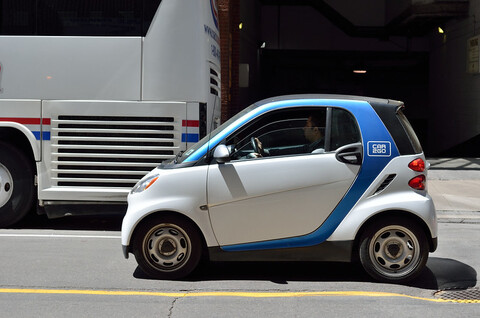
The latter refers to a pool of cars that can be rented. It’s similar to a car rental service, but instead of renting a car for a day or week, you can rent it by the hour.
Unlike a rental facility, these vehicles are free-floating, which means they are located at various points around a city. You locate one by using the car-sharing company’s app. Simply pinpoint the one closest to you, walk up to it, and open it to start your “renting period”. It may sound similar to ride sharing or hailing, but instead of another person driving you, you drive yourself.
One car-sharing service differs from the next. So, before settling on one, look at things such as the selection of different vehicles, sharing time limits, and general availability across your city.
In this article, we take a look at the differences between car sharing and car ownership, and weigh up the pros and cons.
Pros of Car Sharing
Car sharing has several benefits.
Cost Efficient
Car sharing is much cheaper than owning a car. According to December 2025 information, average vehicle prices in the US topped $50,000, and it doesn’t look likely to come down any time soon.
This option provides an affordable alternative to owning your own car. This is especially valid if you’re not a frequent car user and only need a vehicle every now and then.
No Worries about Maintenance and Repair
Few things compare to that sinking feeling when an engine starts to stutter or a tire bursts. When using a car-sharing service, you don’t have to worry about maintaining or repairing the vehicle. That’s the company’s concern that owns the vehicle.
So, budgeting for things such as tire replacements, services, and costly repairs is off your plate.
Pay as You Go
One of the best perks of car-sharing is that you only pay for the duration you use the car. Depending on your service, you’ll either pay by the minute or hour. That means you don’t have to fork out the high prices typical of car rentals.
Different Driving Experiences
With a car-sharing service, you get to drive different cars. These companies have a fleet, which gives you the chance to broaden your driving enjoyment. You can even check out the types of vehicles available before signing up.
Reduced Fossil Fuel Emissions
Car-sharing effectively means fewer cars on our roads, as fewer people own individual vehicles. Consequently, these services indirectly reduce the planet’s carbon footprint.
Many car-sharing companies are turning to electric vehicles, which contribute further and more prominently to combating climate change.
Cons of Car Sharing
As great as car sharing sounds, it also has a few drawbacks.
Planning Your Trips
You have to indicate how long you’ll be using a vehicle. Unforeseen traffic jams and longer-than-expected errands can hamstring your planned schedule and costs. Most car-sharing services make provision for unexpected delays and have a maximum daily rate, which helps a little.
Risk of Losing Your Car
With car-sharing, the vehicle is available while you have it on the “clock”. If you want to save money and turn the meter off in between stops, you run the risk of losing your ride. For example, when you park at a mall and run in for 30 minutes to grab some groceries.
Remember, car sharing is a free-floating system, and, technically, you only have use of the car while the meter is running. You can leave the meter running, but that means accruing unnecessary costs while you’re effectively not driving the car.
Emergencies
Free-floating cars may not be there when you need them. In an emergency, you want immediate transport. Walking to a central spot just to find the car you want isn’t there, can be incredibly stressful.
Driving Different Cars
As much as driving different cars can be enjoyable, it can also be a nuisance. You’ll have to get used to different models, sizes, and “feels” each time you get behind the wheel.
Plus, as you don’t own the car, you cannot leave any personal items in it. That means taking all your stuff out every time you stop the meter.
Car Sharing vs Car Ownership
Owning a car means it’s exclusively available whenever you want or need it. You don’t have to worry about last-minute arrangements, transport during emergencies, or vacation travel.
In a sense, your car is part of you and reflects aspects of your personality, such as custom tire rims or other personal touches. You can also leave things, such as phone chargers, in your car without having to lug them around constantly.
The flipside of the car-ownership coin is expenses. It’s costly to finance, maintain, and insure a personally owned vehicle. On top of these costs, you also have to cover fuel, which is definitely not cheap.
Deciding between Car Sharing and Car Ownership
If you’re within walking distance of car-sharing hotspots and other amenities, car-sharing may be viable. But, if you’re living outside the city and public transport is problematic, owning a car might be a better option.
Consider everything before diving in and making a decision. This choice comes down to your lifestyle, personal choices, and financial standing.
 By: @alex
(Alex Turner)
By: @alex
(Alex Turner)