

The Pros and Cons of Switching to an Electric Vehicle
Electric vehicles (EVs) are becoming a common sight in many cities as more people shift away from fuel-
chugging internal combustion engines. In some ways, switching to an electric vehicle is also a social
pressure point because these cars are considered a greener mode of transportation.
Many people believe the electric vehicle industry is a fledgling one that still needs to evolve to truly create
the cars of the future. Regardless, EV sales during the last decade have tracked a consistent, exponential
upward trend. This proves electric vehicles have gone from oddities to everyday occurrences on our
streets.
Going electric is, however, a bit more complex than selling your old car, walking into your nearest Tesla
dealer, and buying an eco-friendly alternative. There are numerous factors to consider, such as charging
infrastructures and budgets.
This guide breaks down the pros and cons of switching to an electric vehicle
The Benefits of Switching to an Electric Vehicle
Let’s start with the pros of waving goodbye to your gas-loving truck and saying hello to your new electric
vehicle.
Electricity is Cheaper than Fuel
Electric vehicles don’t run on fuel; they rely on electricity. When comparing the battery recharging and
refueling costs of cars of the same size, electric vehicles generally end up being cheaper. They also don’t
need engine oil or transmission fluid.
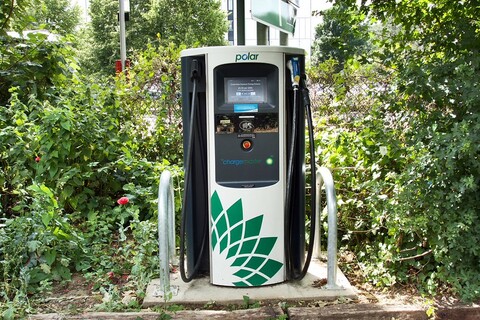
Most people charge their electric vehicles overnight at their homes, which is more affordable than using
fast DC public chargers. However, even these higher-priced charging stations are cheaper than gas or
diesel.
Then there’s the time aspect. Plugging your car in at home takes a few seconds, while driving to a gas
station, refueling, and driving back home takes much longer.
Electric Vehicles Make a Speedy Start
Electric vehicles accelerate faster than their internal combustion counterparts, reaching optimum torque
the minute you step on the power pedal. In a gas-driven car, the power gradually builds as the engine
speeds up.
Despite this impressive acceleration, cars with internal combustion engines mostly outstrip the top speeds
of electric vehicles.
Electric Vehicles are Quiet Runners
Compared to traditional vehicles and their well-known roars, EVs run silently. There’s no engine noise,
but you may hear a soft electric “whine” as you drive faster. There’s also some tire noise, along with the
wind – especially if you’re driving with the windows down.
By law, electric vehicles must make artificial sounds to alert pedestrians that they are approaching.
Less (and Easier) Maintenance
Electric vehicles don’t need as much maintenance as fuel-powered engines. They have fewer moving
parts, which means less friction, not to mention fewer things that can break. For example, there is no
need to change the oil.
Less maintenance does not mean no maintenance, however. Your electric vehicle will need checkups
from time to time. Many electric vehicles can be “serviced” via over-the-air (OTA) software updates. You
must check your EV’s battery, but most come with a 100,000-mile warranty.
Zero Tailpipe Emissions
The absence of a tailpipe is the factor that defines electric vehicles as the transportation solution of the
future. They emit zero direct greenhouse gases, which is a big plus in the face of climate change.
However, keep in mind that the “cleanness” of the power used to recharge your vehicle depends on how
it’s generated. Coal-generated electricity leaves a significantly damaging footprint, whereas solar,
hydroelectric, and wind-produced options are generally considered eco-friendly.
It is also worth mentioning that manufacturing EVs comes with a hefty carbon price tag. Experts,
however, believe that long-run EV usage, with its notably reduced carbon footprint, will offset this.
The Drawbacks of Switching to an Electric Vehicle
Electric cars have a few disadvantages, too.
Limited Driving Ranges
Although this is a debatable con, it’s worth mentioning. Some electric vehicles cannot drive as far on a
single charge as a combustion vehicle on a full tank.
Nevertheless, it is important to note that many exceed the distance of a traditional car on a full tank.
When shopping around for an EV, consider how far you drive every day and whether there are charging
stations along the way for longer trips.
Another problem is that batteries don’t perform well in cold conditions, so you may see increased range
limitations in these conditions. Towing also impacts the performance of batteries and limits your driving
range.
Aging Batteries and Driving Ranges
No matter how old your internal combustion vehicle is, it drives the same distance with the same amount
of fuel. This cannot be said for electric vehicles.
As batteries age, they lose their “oomph” and, by extension, the distance you can travel without having to
recharge. This degradation depends on several factors, including the quality of your battery, your
charging habits, and your environment.
Charging Problems
Currently, the only reliable supercharger network is Tesla’s Superchargers. Other fast DC chargers can
be faulty, which may leave you stranded. It may take longer than expected to charge your car, or you
might not make it to the next charging station before your battery runs flat.
No matter how fast a charging station is, it’s still faster to fill up with fuel.
Electric Cars are Expensive
The prices of electric vehicles are a major obstacle to their widespread adoption. Many governments offer
incentive programs, which may help alleviate the extra financial load. Owning an electric vehicle also has
certain tax benefits, especially in developed countries such as the United States.
You may also have to fork out to install a charging station at your home. Most EVs come with a Level 1,
120-volt charging cable. However, it is advisable to install a Level 2, 240-volt charging station, as home
charging is the cheapest way to charge your EV.
The decision to switch to an EV depends on your individual circumstances, so it’s important to consider
both sides of the coin.
 By: @alex
(Alex Turner)
By: @alex
(Alex Turner)