

Top Tips for Car Maintenance in Winter
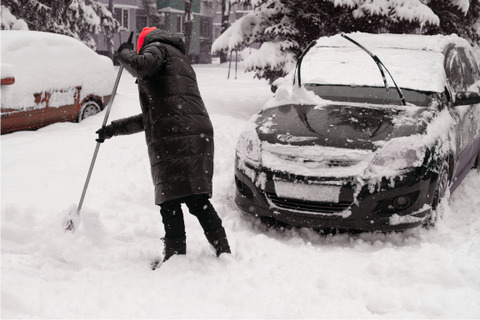
Snowy days often stir up a sense of nostalgia, but when the weather turns icy, your vehicle needs some extra attention if you want to keep it running. The degree of winter vehicle maintenance needed depends on your geography and the harshness of the season.
When temperatures drop, it affects both the mechanical and electronic systems in a car. Oil gets thicker, making it more difficult to start the vehicle, and batteries lose their oomph. These are just a few examples of the adverse effects the cold season can have on your car.
Here are some top tips to help keep your wheels turning when the chill sets in.
Battery Care
Cold temperatures can drain and damage your car’s battery, and there are few things worse than being stranded next to the road with a dead battery. Thankfully, a few preventive actions can help you avoid this scenario.
Keep your battery charged. Longer trips should provide sufficient charging time. Shorter trips, however, strain the battery, and the alternator may take longer to kick it into life during regular start cycles. You might need to hook a trickle charger up to your battery overnight once a week to keep it charged in cold weather.
You can also take longer, more frequent drives to keep the charge up. Experts believe a 30-minute drive once a week will do the trick. It’s also important to turn off your car’s lights when not in use as leaving them on can drain the battery.
If possible, park in a warm, sheltered space like a garage. Even unheated garages help prolong battery life and functioning because they still insulate the vehicle to a certain extent.
Vehicle batteries get weaker as they age. Test yours before winter sets in to ensure it functions properly. It’s a good idea to visit a trusted battery center for testing to avoid unpleasant surprises.
Engine Fluids
Fluids, such as oil, get thicker and more sluggish in winter. This may cause slow or no starts and damage the engine.
Without enough appropriate engine oil, the different components of your engine cannot move and work. When it’s cold, engines exert a greater effort to start and warm up a car. Thick oil doesn’t flow freely, leading to a lack of lubrication and engine strain. Change your oil and use a low-viscosity alternative in winter that flows more freely.
It’s important that cars run at the right temperatures. If it’s too hot, the engine can overheat; running it too cold can cause it to freeze. Antifreeze or coolant reduces the chances of your engine freezing in winter. Regularly check the coolant level and use the correct 50/50 ratio. Be sure to check the hoses, as they may crack or leak.
Like oil, chilly weather can thicken the transmission fluid used to keep gears lubricated. This can lead to issues such as sluggish acceleration and gear shifts, or transmission failure. Check these fluid levels regularly, especially in winter. If you’re unsure how to check and replace transmission fluid, consult a qualified mechanic.
It’s also crucial to check your brake, power steering, and windshield washer fluids. You can use winter windshield washer fluid that is specially formulated to remove ice and slush.
Filters
An air filter ensures the air running through your engine is clean, and a clogged or dirty filter hobbles performance. This can become an issue during winter when your engine takes longer and works harder to warm up. Replace your air filter if needed to avoid engine problems.
During the cold season, you run your car’s heater frequently. This can cause the cabin air filter to become dirty, hampering its performance. You should check and replace your cabin air filter if needed.
Tires
Tire care is crucial in winter as icy conditions have multiple negative effects on your wheels.
Ensure your tires are inflated to the right pressure. Cold weather causes tires to deflate, which reduces traction and makes stopping distances longer.
Keep an eye on the tread depth. Low tread diminishes grip on the road, which may lead to hydroplaning. Steer tires need a depth of at least 4/32 inches, while other tires need at least 2/32 inches. Get a tread depth gauge to measure these depths.
Balance and align your tires to help prevent risks such as exaggerated vibrations and loss of control on icy roads. Even wear is essential in harsh weather conditions.
Regularly check your tires for signs of winter wear. When it’s freezing cold, tires can become brittle and crack or bulge, which is an accident just waiting to happen. Even tire valves can freeze and cause a loss of tire pressure. Both tires on an axle should be equally inflated for optimal safety.
In harsh winter conditions, it’s important to fit winter tires all around to ensure maximum traction and control. Consult a professional about rotating your tires.
Once winter is over, remember to store your tires appropriately. Exposure to sunlight or other elements can damage them.
Brakes
Your car’s brakes should be in prime condition going into winter. Conduct a pre-season inspection, or have one carried out by a professional.
You’re bound to put more strain on your brakes during winter driving, so ensure your brake pads and rotors are in good condition and that your brake fluid is clean and full.
Windshield Wipers
Like your brakes, your car’s windshield wipers work harder in winter. Make sure they’re not cracked or damaged in any way. Clean them before a drive for better grip and wiping power.
Lights
Your car’s headlights are your proverbial “eyes” during dark and low-visibility conditions in winter. Therefore, it is vital to maintain them in good working order to avoid accidents.
Before setting off, wipe them clean to remove road salt, slush, or other dirt. A soft cloth and some soapy water should do the trick.
Ensure there’s no moisture or condensation on the inside of the cover as this can cause damage and malfunction. Evaluating the integrity of the seals around the headlights should form part of this check.
Test your headlights before driving off. It only takes a minute and can prevent serious consequences. Flickering or dimming indicates a problem. Experts recommend fitting high-beam LED lights for maximum visibility.
A silicone-based protectant can protect your headlights against tough weather conditions. You can find these at any trusted dealership.
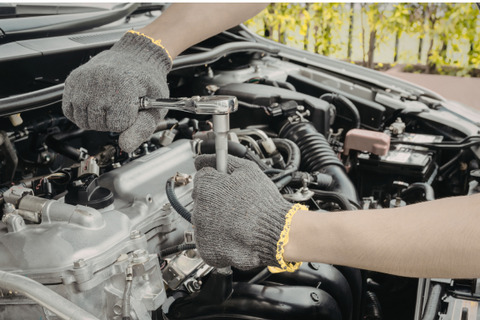
Winter driving can be tricky, especially if your vehicle is not up for the challenge. Stay ahead of the season with regular maintenance, and you’ll be ready for whatever winter throws your way.
 By: @alex
(Alex Turner)
By: @alex
(Alex Turner)