

How to Lose Weight in 2026: Programs, Workouts, and GLP-1 Options
Learn all about the weight loss strategies in 2026 including structured programs, workout plans, and GLP-1 medication - advised upon only by a medical health professional. This guide will provide you with evidence-based strategies and realistic expectations on your weight loss journey.
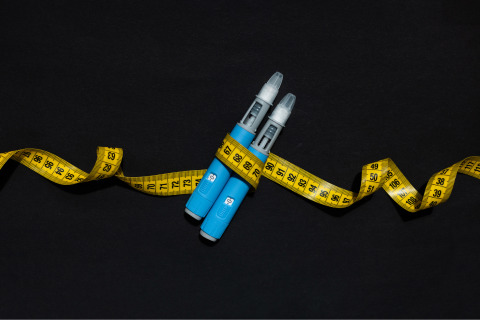
Weight loss solutions in 2026 look very different from a decade ago. Coaching programs, cutting edge medications, and better exercise regimes and research have changed the conversation entirely. The CDC estimates that about 42% of adults in the US live with obesity, which explains why so many people search for solutions every year. If you’re trying to decide between weight loss programs, new medications, or simply exercising more, the choice can feel overwhelming. This guide explains how each option works and how they can be used together. It’s for people who want realistic results rather than quick fixes. Some readers may benefit from lifestyle changes alone, while others might consider medical support. The key is understanding what actually drives weight loss and what doesn't.
Why Structured Programs Still Matter
Many people start dieting alone, but structured weight loss programs will improve consistency. Programs create a schedule for tracking meals and accountability with coaches or peer groups. Research from the National Institute of Health shows that structured behavioral programs help participants lose more weight than self-directed efforts. That doesn’t mean every program works the same. The most useful ones focus on caloric awareness, habit tracking, and weekly check-ins rather than rigid dietary rules. It’s usually recommended to follow programs that allow for flexibility (e.g cheat days) because strict plans tend to collapse after a few months, especially without proper preparation. Consistency beats perfection every time.
Exercise - Useful, but Often Misunderstood
Exercise certainly helps with health, but it’s not always the main driver of real weight loss. Many people burn fewer calories than they often expect from working out. The best workouts for weight loss combine cardio and strength training because muscle mass helps maintain metabolism, and metabolism breaks down and eliminates unnecessary waste in the body. The CDC recommends at least 150 minutes of moderate exercise each week for adults. That might sound like a lot, but it can be split across short sessions. You can smash this target with just 25 minutes of moderate exercise a day!
GLP-1 Medications and Medical Weight Loss
The biggest shift in recent years is the rise of GLP-1 (Glucagon-like peptide-1) weight loss drugs. These medications mimic hormones that signal fullness and slow the emptying of the stomach. Clinical trials of semaglutide reported an average weight loss of about 15% when combined with lifestyle changes such as moderate to high exercise and structured weight loss and dieting programs. That’s a significant change, but these medications are not simple shortcuts. Costs can exceed $900 per month without insurance coverage and medical weight loss also requires the oversight of a physician because of the potential side effects and contraindications that exist. Serious risks include pancreatitis, gallbladder disease, kidney injury, and rare eye issues, whilst contraindications include a personal/family history of Medullary Thyroid Carcinoma, MEN2, pregnancy, breastfeeding, or type 1 diabetes. The most effective plans combine medication with behavioral programs and regular exercise.
What Actually Leads to Sustainable Results
Long-term success rarely comes from just one singular approach. Sustainable weight loss usually combines modest caloric reduction, consistent exercise (at least 25 minutes per day, 150 per week), and some form of accountability. Busy adults often benefit from shorter workouts they can repeat several times a week as a pose to lengthy gym sessions. Others rely on digital tracking apps or coaching programs to maintain momentum. One surprise for many people is that progress will often slow after the first few months. That plateau is normal, not failure, and is a sign that you're doing the right thing. Remember, you're looking for consistency, a rapid change in weight is an unhealthy sign.
Approach | Typical Weight Loss | Cost | Key Limitation |
Lifestyle program | 5-10% body weight | $20-$200 per month | Requires Discipline |
Exercise-focused plan | 3-7% body weight | Gym fees | Slow progress |
GLP-1 Medication | 10-15%+ | $900+ per month | Expensive |
Combined strategy | 10-20% | Variable | Requires careful planning and organization |

The pattern here is clear. Programs and exercise definitely support each other, but medication can change appetite biology in ways lifestyle changes alone sometimes will not.
Losing weight in 2026 means navigating and choosing between more options than ever before. Before making a decision, it's important to make note of your main goals and estimate roughly how much weight you want to lose. Then, you can review your options, whether it be a structured program, coaching app, or consultation with a physician to see which one best supports your plan. After this, you can consider whether medical weight loss or GLP-1 weight loss drugs are appropriate for your situation by speaking with a qualified healthcare professional. The most effective approach combines habits, exercise, and when necessary, medical drugs. Once you figure out a healthy and appropriate balance of these variables for your situation, progress becomes much more consistent and predictable.
 By: @sam
(Samantha Brooks)
By: @sam
(Samantha Brooks)