

How to Nail a Virtual Job Interview
COVID-19 may have closed many doors, but it opened a few at the same time. Companies have found innovative ways to conduct their business, with the internet and communication platforms playing a central role in their success.
Some virtual practices that were adopted during the pandemic have proven to be both effective and efficient. After commerce and industry settled back into the normal ebb and flow of daily life, these became the norm rather than the exception.
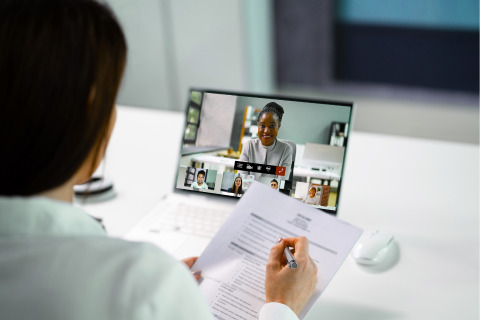
Recent research indicates that 82% of companies use virtual interviews instead of in-person ones. This means that if you’re in the job market, you’ll most likely be interviewed on platforms such as Zoom or Teams.
Here is a look at our top job interview tips to prepare you for a virtual meeting.
- Why do you want this job?
- What do you think are your weaknesses?
- How would you describe your strengths?
Test the Interview Platform
The days of Skype being the only viable video communication tool are now well and truly behind us. Today, there’s a myriad of different platforms available, each with unique functions, such as Teams, Zoom, and HireVue.
It’s essential to download and test the interview software you’ll be using well in advance. Scrambling around 10 minutes before you’re due to start adds undue stress, affecting your confidence and demeanor.
Experts suggest you download and test the platform at least 24 hours before your interview. Try everything out to ensure you know how it works. This crucial first step helps to pave the way for a smooth virtual interview.
Test Your Hardware
Testing your hardware is just as important. Everything needs to be in top shape for the big day. This means putting your microphone, webcam, and speakers through a few dry runs to ensure they work.
Remember to tune your sound settings to avoid any unnecessary echoes and other interferences. This includes setting up your chosen headphones, speakers, and microphone on the device you’ll be using for the interview. Audio or video problems during an interview can create an impression of unpreparedness.
It’s also a good idea to line up a family member or friend to help with calling and testing approximately 30 minutes before your interview. This will give you enough time to fix any last-minute hiccups.
Choose a Place with a Strong Internet Connection
A solid internet connection is the metaphorical heart of all virtual interviews. Weak signals can cause audio and video glitches and look very unprofessional.
Make sure you choose a spot with a strong, reliable internet connection or Wi-Fi signal. Like your hardware and software, it’s also important to test bandwidth performance. If you’ll be participating in the interview behind closed doors, remember to test your Wi-Fi strength with the doors closed, too.
Choose the Right Spot
Your environment conveys a lot about you, so take some time to choose the right place for your virtual interview.
For example, it’s unprofessional to conduct your interview in a kitchen, laptop perched on the counter, with a steak sizzling in the background. The same is true of a living room strewn with toys and pizza boxes.
Your interview space must be neat and professional. It should be quiet, and the lighting needs to be right. For example, natural or artificial lighting behind you will obscure your face. Light sources must always be in front of you.
Eliminate All Distractions
Few things can sink a virtual interview faster than distractions. Whether it’s virtual or in-person, distractions are not only stressful but also unprofessional.
If you’re in a home or building with other people, inform them about your upcoming virtual interview and clearly state that you should not be disturbed for the duration of the meeting. Ensure your interview does not take place in any communal spots in a home or office.
You must be in control of your interview space to prevent unexpected disturbances. That means no sources of noise, either.
If you have small children in your environment, arrange for someone to take care of them and take them out of the home during your interview. They might not understand why you’re not available.
Dress for the Job
Your personal appearance creates a very important first impression. A neat, professional outfit sends a non-verbal message that you’re serious about the job. It also conveys a lot about your standards and approach to matters.
You should dress the part to boost your chances of landing the job.
Eye Contact
Anyone who has ever had a video conversation knows how tempting it is to survey ourselves while talking. However, it’s important to look into the webcam and not at the screen to make eye contact with your interviewer.
When gazing at the screen, you’ll look distracted or preoccupied. Looking into the camera, on the other hand, portrays a sense of confidence and professionalism. This is truly easier said than done, so be sure to practice this in calls with friends or family well before your virtual interview.
Prepare Your Introduction
Almost all interviewers ask job candidates to introduce themselves or tell them more about themselves at the start of an interview. Experts recommend you use the SEAT (skills and qualities, experience and qualifications, achievements, type of person) approach to prepare for this introduction.
When you use this formula, you’ll be able to structure your thoughts and provide a confident answer that covers all the most important aspects.
Body Language
What you don’t say is just as important as the things you do say, which is why your body language is a vital part of your interview success. A few simple approaches will create a good impression.
Sit upright and still in your chair. Slouching or fidgeting communicates a lack of interest or nervousness.
Smile during your interview to communicate confidence and being at ease.
Pay attention to what the interviewer is saying. When you listen attentively and understand what is being said or asked, it shows that you’re interested.
Finally, stay positive, even if you’re asked how you would deal with adverse challenges or people. Positivity projects a “can-do” attitude to problems.
Prepare to Answer Common Questions
Conduct some research on general interview questions. There are quite a few that pop up in most interviews. Some common questions you might encounter include:
Preparing for these questions will make your interview much smoother.
Prepare to Ask Important Questions
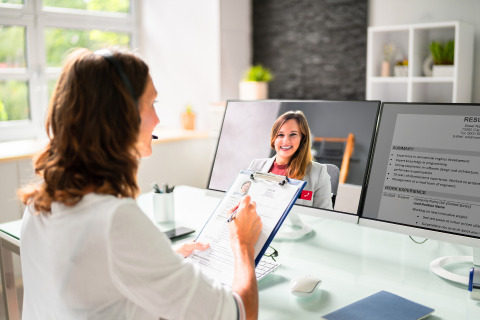
At the end of the interview, you’ll probably be asked if you have any questions. It’s important to ask the right ones.
Asking about the development of the position you’re applying for, the culture of the company, and the business’s future plans lets your interviewer know you’re interested and committed. It makes a memorable and positive impression.
Sitting for an interview can be a nerve-wracking affair. When you follow these handy tips, you’ll calm your nerves and feel prepared and confident.
 By: @brian
(Brian Rogers)
By: @brian
(Brian Rogers)