

Planning Your First Solo Backpacking Trip
Have you ever dreamed of hitting the trail on your own, where it’s just you, nature, and an unforgettable connection? Or, would you like to break away from group hikes occasionally and just do your own thing for a day or so?
Solo backpacking trips are popular for lots of reasons. However, they also warrant a few extra preparations and precautions to guarantee your safety. There’s a myriad of things to consider before you hitch up that backpack and set out.
This solo travel guide details everything you need to know, pack and prepare for your independent backpacking trip.
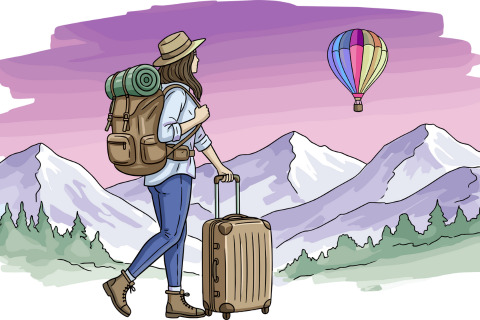
- Pack for the trail and weather conditions. This means that you have to keep a weather eye on wind, rain and sun predictions. It’s a good idea to check future forecasts during the days leading up to your hike so that you know of any sudden changes. Follow the specific trail reports.
- Get a sturdy backpack that’s comfortable and has enough space.
- Pack the water you need at the start. Know where the first place is where you can refill your water, and work out how much you need before you reach that point.
- Make sure that you have a shelter and sleeping system, such as a tent or tarp.
- Pack hiking clothes and boots. Remember a few extras in case you need them against bad weather.
- Take food storage and cooking supplies, such as Ziploc bags, bear canisters, and a camping stove.
- Take repair, tool, toiletry and poop kits (such as a trowel).
- Remember a first aid kit.
- Pack electronics, such as your smartphone, including ways to charge them.
- Pack gear specific to your environment, such as an ice axe, rain jacket and a bug net.
- Navigation equipment, such as a map, compass and GPS. Don’t rely on tech alone.
- A headlight or other form of illumination.
- Shelter.
- Extra water, food and clothes.
- Sun protection.
- A way to make fire.
- Knife and gear repair kit.
- First aid kit.
Benefits of a Solo Backpacking Trip
Setting out on your own can be a wonderful experience. You can go wherever and whenever you want, as you’re not tied to group schedules or the preferences of others. You can also set your own pace and stop for a break or take in the view whenever you feel like it.
On a personal level, you have time for reflection and getting in touch with yourself again. Many report that these solo experiences empower them with a sense of self and accomplishment.
Although a solo backpacking trip is not without its challenges, it’s definitely worth it, especially if you have the need to get away from it all. Let’s explore the best way to prepare for your venture.
Small First Steps
The idea of going on an epic Lord of the Rings-type adventure into the ‘wild’ is exciting. However, for the first time you set out on your own, it’s not such a good idea. Seasoned hikers will tell you that they’ve tried and turned back within a day, or even hours, as their nerves got the better of them.
Go for one night. It’s not too long and just enough to get the feel of being ‘out there’ alone.
Short Trails You Know
It’s best to start with a short, familiar hike that’s not too isolated. For instance, if you generally go for five-mile hikes, select no more than a five-mile trail. Choose a track close to a camping ground or not too far from town.
It’s something you know you can do. Although you’re on your own, you’re not completely removed from civilization, which helps calm the nerves. Gradually extend the length and duration of your solo backpacking adventures.
Breadcrumbs
Pick a well-marked trail with clear signs, or ‘breadcrumbs’. Although you’re out on your own, you won’t feel removed from everything. Clear markings assure you that you’re on the right track and ensure that you make it back to the starting point if you want to turn around.
If you can, plan your first solo hike over a weekend when there will be other hikers about. It doesn’t take away your ‘me time’, but does limit feelings of isolation.
Stay Within Your Limits
It’s crucial to be honest with yourself about what you can and cannot do. Acknowledge your physical and mental limits to ensure your safety, which should always come first.
On a short, familiar trail, you can turn back whenever you want. Look at your first solo backpacking trip as a practice run, something you do to test the waters and get your feet wet.
When you get injured or anxious, or fall ill, the last thing you want is to be miles away from any help. A short, familiar first venture keeps the control in your hands. Use it to test your abilities and build your skills for those eventual longer trips.
Gearing Up
This can be a challenge if you’re new to solo backpacking. Follow this step-by-step packing system to ensure that you cover all the bases:
There are some non-negotiable essentials you must always pack. These are ‘in case’ items that help ensure that you’re prepared for all eventualities:
Know Your Gear
It’s a good idea to get a personal locator beacon (PLB) or satellite messenger (Garmin inReach, for example) should you encounter an emergency. These gadgets send out emergency signals, even when you’re in the middle of nowhere with no cell reception. They also give your loved ones some peace of mind.
Make sure that you know what your gear does and how to use it. Practice before going on your hike. This includes pitching your tent, using your camping stove, and filtering water.
Pack and unpack your backpack to find the best way to sort things. Wear it, fully loaded, before you go on your hike to get a feel and make adjustments if necessary.
Do Your Research
Read up about your chosen trail and connect with hikers who know it. You may learn some valuable tips, rules and LNT (leave-no-trace) principles.
Plot Your Route
Use a map or GPS app to plot your route. Make sure to download all relevant maps and information in advance. Mark resting and camping spots, and recognizable landmarks.
Your itinerary must include the name of the trailhead, your starting point, the date and time you’re setting out, and when you’ll be back.
Inform Your Loved Ones
Let those close to you know about your plans. Give someone your plotted map and itinerary, and the official emergency contact numbers in the area.
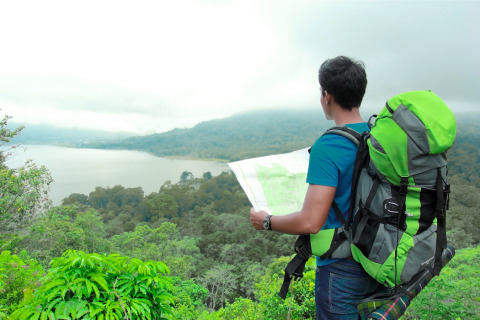
General Pointers
First-time solo backpackers should keep the following in mind:
- Always trust your gut. If something feels or looks wrong, don’t brush it off.
- Don’t panic. Stay calm. Anxiety isn’t going to solve a challenge.
- Pack distractions, such as downloaded movies on your phone, a book, or your journal.
- Overnight close to a campsite with running water and other hikers to sleep better.
- Play music to keep wild animals away.
- Keep going on ‘practice’ trails until you feel confident.
A solo breakaway from it all is sometimes exactly what the doctor ordered. However, diving in without testing the depths is foolish. Prepare, practice, and stay safe!
 By: @olivia
(Olivia Harper)
By: @olivia
(Olivia Harper)