

Tips for Staying Healthy While Traveling
Imagine going on your well-earned vacation, getting sick, and watching precious days of fun and relaxation slip through your fingers. Dealing with health issues is one of the worst things that can happen while traveling.
Different environments, time zones, food, and other factors can influence your health, and all of this comes into play when you’re away from home. You might think that staying healthy on long trips is up to fate, but taking a few simple precautions can prevent several common problems and keep you in top shape to enjoy your destination.
Let’s take a look at the top travel health tips you should “pack” for your journey.

Prescribed Medications
If you have a chronic medical condition, such as diabetes or hypertension (high blood pressure), it’s crucial to ensure you have all the medicine you need.
Check whether you have enough of everything to cover your trip. Medical experts recommend bringing a few extra doses in case of delays or unforeseen circumstances. Most medical insurance plans provide a vacation override, so you can refill your chronic meds earlier and have more on hand.
Don’t keep all of your medications together. If you’re flying, for example, pack some in your carry-on and some in your checked luggage. Be sure to keep your medicine in its original containers in case you are questioned by airport security.
It’s wise to take a list of your medications and dosages with you in case you run out of something.
Over-the-Counter Medicine
If you take over-the-counter medicine on a regular basis, such as heartburn or allergy remedies, pack them for your trip. It’s also wise to bring a few extras, such as motion sickness, anti-diarrheal, pain, and flu and cold medicines. You may not end up using them, but you’ll be glad to have them on hand if you need them.
Jetlag
Flying across time zones can confuse your biological clock. Jetlag sets in, which means you may find yourself wide awake at night and sleepy, moody, and fuzzy during the day. There are three stages during which you can implement measures to prevent or limit the effects of this phenomenon.
Before Your Trip
Start changing your sleep schedule a few days before your trip. If you’re traveling east, go to bed approximately an hour earlier; if you’re traveling west, make it roughly an hour later.
Ensure your room is dark and cool with no disturbances or lights, including electronics. Subject yourself to bright sunlight upon waking ahead of eastward travel, and avoid bright light when waking for westward travel. This means using sunglasses and avoiding electronics.
During Your Flight
A packed plane doesn’t promote sound sleep, but you should set your destination time on your devices and try to rest. Wearing an eye mask to make things darker also helps.
It’s important to wear comfortable clothes to promote relaxation. Avoid alcohol or caffeine as they can disrupt sound sleep. Earplugs or noise-canceling headphones will temper cabin noise. Finally, be sure to drink lots of water to stay hydrated.
After Landing
Adapt to your destination’s time and schedule as quickly as possible, including aligning your meal times.
If you land during the day, a short nap of no longer than 30 minutes may give you the energy you need to make it to bedtime. Use the daylight to “reboot” your internal clock. Go for walks or engage in other outdoor activities.
If you land during the night, you might not feel tired at all. Medical professionals recommend taking between 0.5 and 1 milligram of melatonin to promote sleep as this is the body’s “sleep hormone”. Check with your doctor first to make sure it’s right for you.
Deep Vein Thrombosis (DVT)
Deep vein thrombosis (DVT) is a risk when traveling long distances. It happens when blood clots develop in the legs and dislodge, causing serious health threats.
People at risk include those with obesity, recent surgery, and varicose veins, along with those who have previously experienced DVT. Individuals using hormone therapy or with a family history of vascular problems should also be careful.
However, even people who do not fall into the high-risk category can suffer from DVT. That’s why it’s a good idea to wear prescription (high risk) or nonprescription (moderate risk) compression socks to boost circulation during your flight. Depending on your health profile, you may also need anticoagulants (blood thinners).
Get up and stretch your legs every two to three hours on long flights. Even a short walk from one end of the plane to the other helps. When seated, you can do leg stretches, move your feet, and change your position frequently to keep your blood flowing.
Hydration is crucial. If you don’t get enough fluids, your blood gets thicker and clots more easily.
Stomach Problems
Gastrointestinal issues while traveling are common, and you might experience constipation or diarrhea. Contaminated food is a major cause of stomach problems, so ensure everything you consume is clean and hygienically prepared.
Antacids may cause diarrhea, so it’s wise to use them sparingly. Traveler’s diarrhea usually works itself out in around 48 hours. It’s important to stay hydrated during this bout and seek medical help if it doesn’t get better.
Cruise Ships
A cruise ship can be a petri dish for infection. Before boarding the ship, it’s wise to check if there are any disease outbreaks.
Ensure your vaccinations are up to date, and don’t travel if you’re ill. It’s not fair to expose the other passengers.
Wash your hands frequently, and only eat food that’s piping hot. Cruise ships often have whole-day buffets, and food that’s been sitting out for a while can become contaminated.
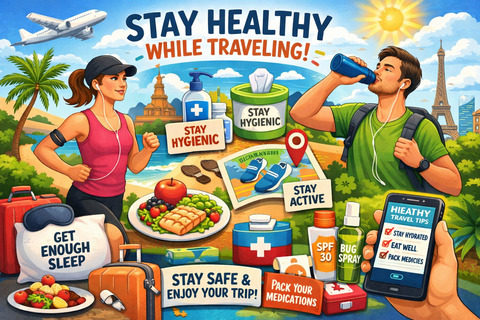
Relax and Enjoy Your Trip!
Give yourself a day or two to relax. Traveling can be stressful, and jumping into activities can overload an already stressed mind. If you’re headed for higher altitudes, avoid alcohol and exercise for at least 48 hours to prevent altitude sickness.
Going on a trip is both exciting and demanding. These tips should help you preserve your physical and psychological well-being. Bon voyage!
 By: @olivia
(Olivia Harper)
By: @olivia
(Olivia Harper)